A multilingual mindset

A multilingual mindset

As a leading university in Africa, Stellenbosch University believes multilingualism matters. We believe that multilingualism is about more than just being able to use multiple languages. It is about giving people a voice, regardless of the language(s) they use. It is about recognising the value of what is said, no matter what language is used, and whether it is said in English, Afrikaans, isiXhosa or South African Sign Language. It talks to our diversity as a country – and allows us to connect in ways we otherwise could not. Multilingualism is therefore also an attitude.

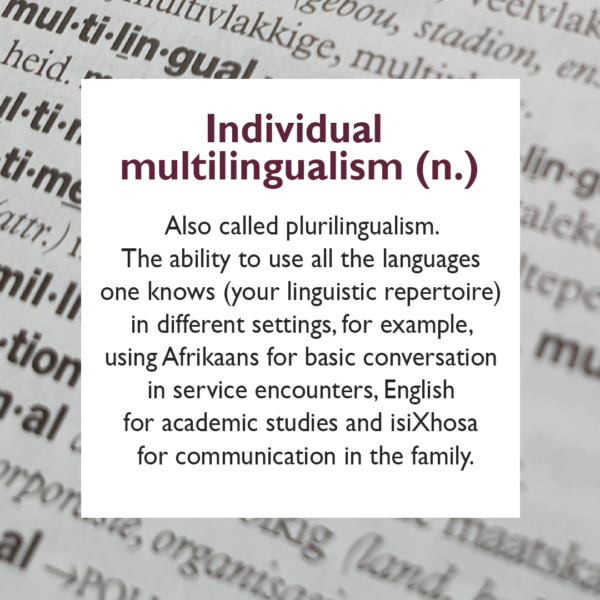
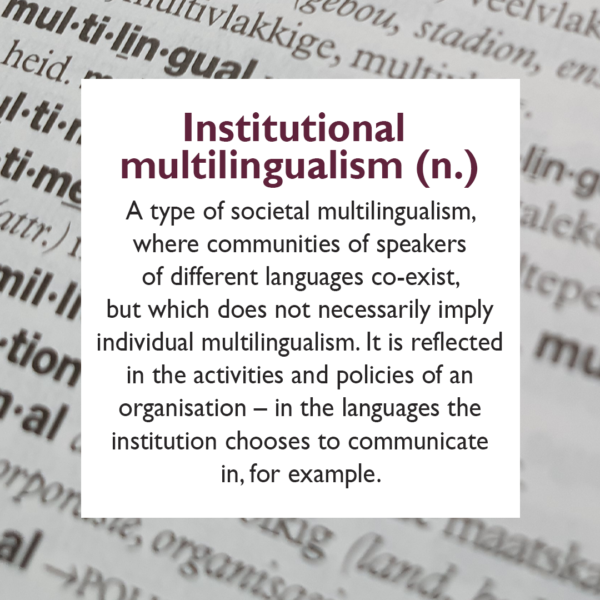
Our focus at SU is not only on institutional multilingualism, but also on individual multilingualism. In other words, we do not focus only on establishing multilingual spaces at the University (through translation and interpreting, for example) where a diverse group of monolingual people co-exist, but we actively encourage people to use more than one language, even if they can say and understand only a little in some of those languages.

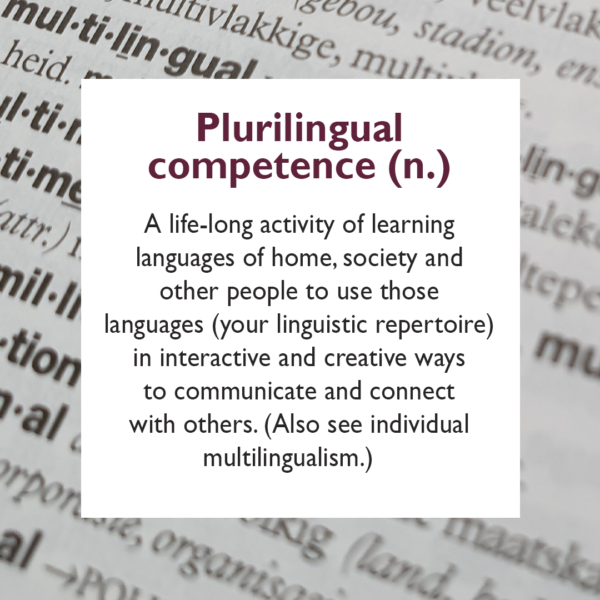
Individual multilingualism is an asset that we would like to develop because of the clear academic advantages this presents, both nationally and internationally. Creating opportunities for individual multilingualism allows people to develop their ability to use languages or varieties of languages in different forms and at different levels of mastery. If you have ever tried to learn a new language, you will know that the learning experience can transform your life. As your experience of a language in its cultural context expands, you will find that you do not keep these languages and cultures in strictly separated mental compartments, but rather build up a communicative, plurilingual competence or ability to which all your knowledge and experience of language contribute, and in which languages interrelate and interact.
This article is available in:

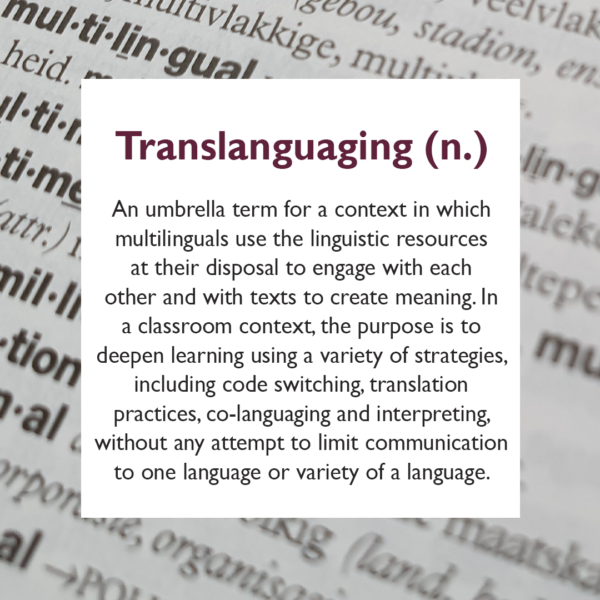
Translanguaging in the classroom is one such plurilingual practice or behaviour. While it is important to create space for students to use tools such as translanguaging to communicate informally in the classroom, there is also a need for students to study language(s) formally and use the academic and technical registers of these languages.

The ability to use more than one language for a variety of purposes, at different levels of proficiency or ability. Multilingual people, societies or institutions usually appreciate diversity. At SU, we encourage both institutional and individual multilingualism.

Language Day 2025

“From the very moment a student registers, language begins to shape their experience, whether it is the forms they fill in, the first conversations they have in a residence, or the voices they hear in lecture halls. By the time they graduate, language has influenced not only their academic success but also their sense of belonging, their personal growth, and even their professional readiness for the world of work.”
– SU Rector and Vice-Chancellor, Prof Deresh Ramjugernath, in his opening address

Multilingualism at Stellenbosch University (SU) has a rich and unique history, deeply rooted in the South African context. It is also central to the University’s ongoing efforts of restitution, transformation, equity and respect. In 2025, Language Day, a biennial event devoted to measuring the temperature of multilingualism at SU, foregrounded how language shapes every step of the student journey – from registration to graduation.

Hosted by the Language Centre at the Stellenbosch Institute for Advanced Study (STIAS) on 4 September, the day drew approximately 100 participants, including students and staff from all corners of the University. The day entailed two interactive panel discussions, small-group discussions and plenary feedback sessions that focused on language in academic, social and living spaces, as well as the world of work. Each conversation was approached through the lens of multilingualism and respect for linguistic diversity, and also touched on key aspects of intercultural competency – such as listening to understand, and respecting different multicultural contexts.

Prof Ramjugernath situated SU’s approach within national policy and the realities of a multilingual continent in a globalising world. English may be dominant in higher education and the workplace, he noted, but that makes the case for multilingualism stronger, not weaker. “For us in higher education, multilingualism is not optional,” he said, pointing to the graduates the University seeks to shape: enquiring learners, dynamic professionals and engaged citizens able to communicate across difference.

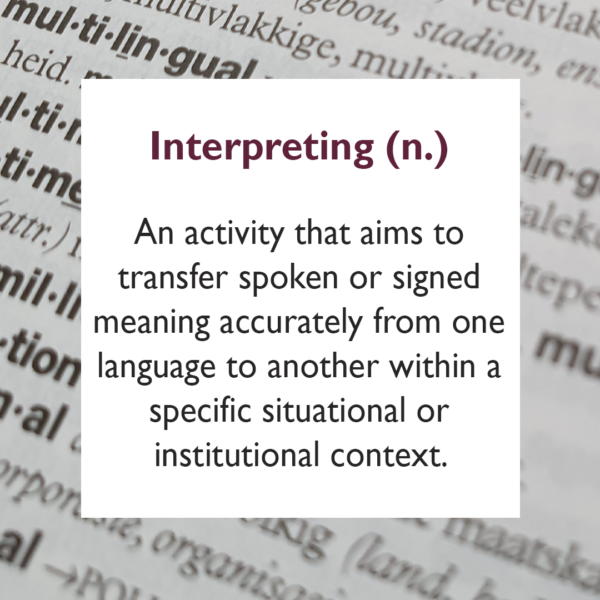
Discussions about language at SU are not always straightforward, but events such as Language Day showcase the many ways in which multilingualism and multiculturalism are actively celebrated and integrated into university life. The day’s activities showed how language and culture are fluid and respected – from interpreters seamlessly conveying jokes and nuance between speakers of isiXhosa, Afrikaans and English, to engaging discussions in participants’ language of choice instead of the language of expectation, and the celebration of the diversity of our cultures in making sense of the world, despite the homogenising effect of English.

The consensus amongst participants was that the practical implications of multilingualism and a multilingual mindset for our students need to be interrogated further. As Prof Richard Stevens emphasised:

“Languages are a bridge: They are part of who we are, and they are the key to who we can become.”

Read the Language Day 2025 concept note here.
Read the report on Language Day 2025 here.

Language Day 2021

With the interrelation and interaction of languages and connection between people in mind, the Division for Learning and Teaching Enhancement hosted an energetic online event where we, as SU students and staff, could share the opportunities and possibilities multilingualism gives us.

Language Day 2021 took place on 30 September, and provided an opportunity for academics, students and professional academic support service (PASS) staff to learn from each other in re-imagining conversations around language at SU. We had positive and inspired conversations about integrating a multilingual mindset into teaching, learning and assessment, and into social life outside the lecture halls.

The theme for the day was Language, learning, life! Implementing multilingualism @SU in academic and social spaces, and was explored by means of two panel discussions with three sub-themes each:

Multilingualism in (augmented remote) learning, teaching and assessment

Multilingualism in administrative, social and living spaces

A new kind of intentionality is required to make multilingualism part of the fabric of all the various spaces at SU, from teaching and learning to living spaces. All of the aspects of multilingualism need to be recognised – individual, institutional and societal multilingualism.”

All involved were willing to work together to realise this, to invoke multilingualism as an attitude, and there was strong support for the recommendation that multilingualism be made more visible as part of graduate attributes in the new SU Teaching and Learning Strategy.

Watch the video playlist capturing the essence of the day below, from the multilingual mindset video, the opening session by the Rector, the panel presentations to concluding remarks by the Deputy Vice-Chancellor (Learning and Teaching).

The contributions were short and punchy, keeping the online attendees engaged, and the 11 breakaway sessions after each panel discussion provided opportunity for attendees to conduct lively, positive discussions and to share their perspectives.

Read the report on Language Day 2021 here.
Explanations

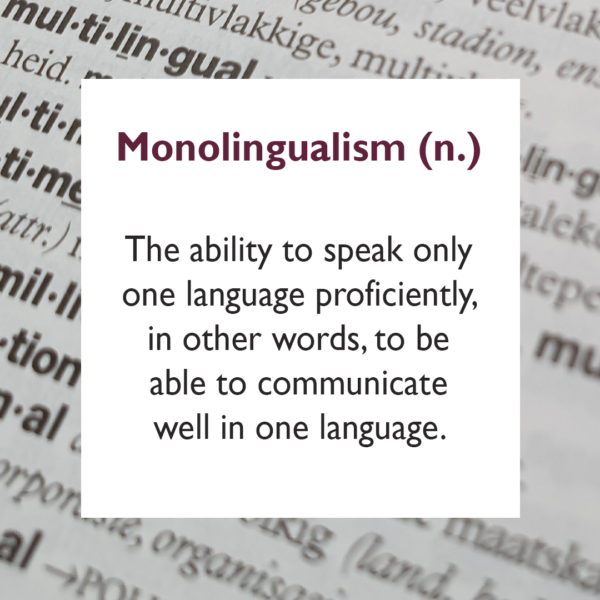
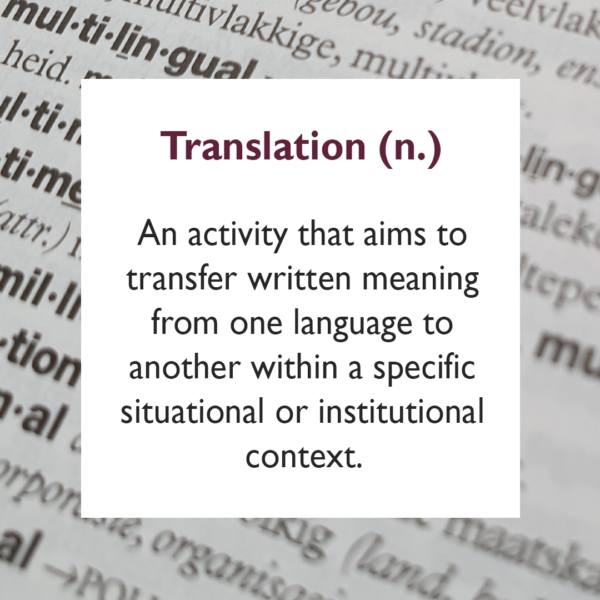
We use a few words on this page that could do with some more explanation. Have a look at our clarifications below to make sure that you don’t miss out on some of the meaning.

Stories about language and multilingualism

Language Day 2025

About Language Day   Language Day is hosted every two years at Stellenbosch University (SU). It is an opportunity for SU staff and students to learn from each other and to…

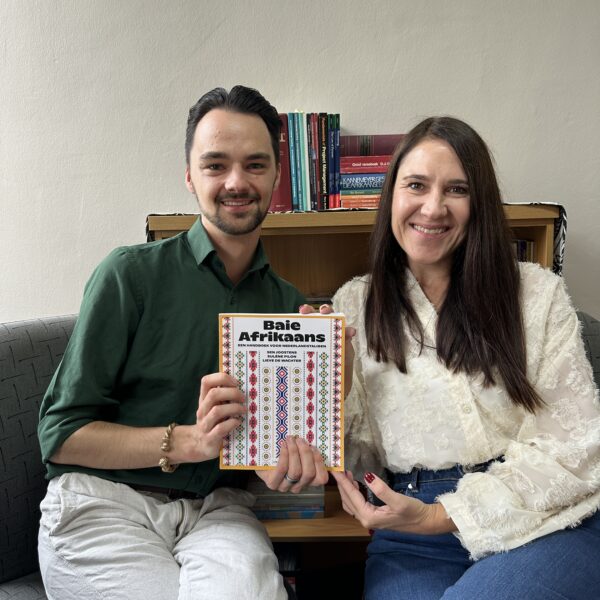
Q and A with Dr Schalk van der Merwe in celebration of 10 years of Afrikaans language and culture for Dutch-speaking exchange students

Dr Schalk van der Merwe, extraordinary senior lecturer at Stellenbosch University (SU), has been a regular guest lecturer for several years at the SU Language Centre’s Afrikaans language and culture course for Dutch-speaking students, where he shares and discusses key events from South African history with students in a narrative style. “When it comes to the history and origins of Afrikaans, it is essential to reflect the language’s diversity, and also how it has served as a vehicle for social change,” says Dr Van der Merwe. As part of the course’s 10-year celebrations, we asked him a few questions.

Languages matter! International Mother Language Day 2025

Languages carry the traditions, histories and identities of the people who speak them. When a language disappears, a unique way of thinking, storytelling and understanding the world is lost forever. Friday 21 February marks the 25th anniversary of International Mother Language Day (IMLD), a worldwide annual commemoration to promote awareness of linguistic and cultural diversity and advance multilingualism. Do you know what happened on 21 February 1952 when Bengali students in, at the time, East Pakistan (now Bangladesh) rallied for the recognition of Bengali as an official language?

This post is also available in: English Afrikaans isiXhosa

Menu